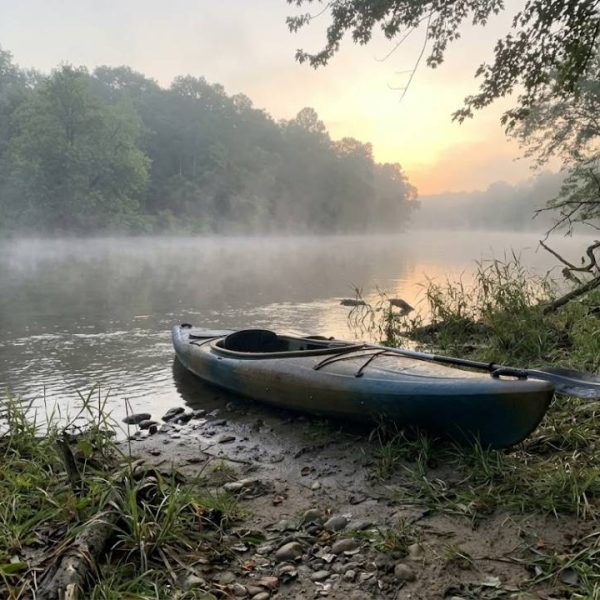
Paddling is one of the most peaceful ways to enjoy nature, and beginners can start with very little. With the right gear and a few sensible habits, calm rivers and lakes become wonderful places to explore. This guide covers the basics of staying safe while enjoying the water.
Choose Calm Water First
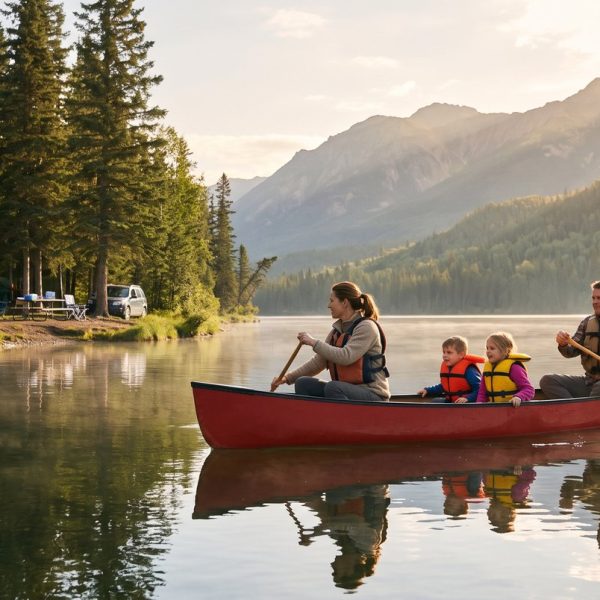
Start on flat lakes or slow rivers with no strong wind. Calm conditions let you learn balance and strokes without stress. Save faster water and open coastlines until your skills grow.
Pick the Right Boat
Wide, stable kayaks and canoes suit beginners. Sit on top models are easy to climb back into after a swim. Rent a few different types before you buy anything.
Wear a Life Jacket Every Time
A well fitting life jacket is the most important piece of safety gear. Wear it on the water, not stored under a seat. Check that it is approved and fastened correctly.
Learn Basic Strokes
The forward stroke, sweep stroke and reverse stroke give you control. Use your torso, not just your arms, and keep your grip relaxed. A short lesson saves energy and builds confidence.
Take a Safety Course
Local clubs and outfitters offer introductory lessons that cover rescues, signals and etiquette. Official bodies such as the National Park Service also share paddling safety guidance for protected waters.
Know How to Re-enter Your Boat
Practice getting back into your kayak or canoe in shallow, warm water with a friend nearby. Knowing what to do after a tip turns a scary moment into a manageable one.
Check the Weather and Water Temperature
Wind, storms and cold water raise risk quickly. Look at the forecast the evening before and again in the morning. Cold water demands extra layers and caution.
Dress for the Water, Not the Air
Quick drying fabrics keep you comfortable. Avoid cotton, which holds water and chills you. Bring a spare set of dry clothes and a warm layer in a waterproof bag.
Pack Essential Gear
Carry water, snacks, sun protection, a whistle, a small first aid kit and a phone in a waterproof case. Keep items secured so a tip does not send them away.
Paddle With a Friend
Two boats are safer than one. Agree on signals, stay within sight of each other and share the work of carrying gear. Company also makes the day more fun.
Share Your Plan
Tell someone where you are going, when you expect to return and who to call if you do not. A simple message gives rescuers a head start if something goes wrong.
Plan Trips for International Visitors
Outfitters welcoming guests from abroad often provide safety guides prepared through english to swedish translation, so visitors from Sweden can understand rules, signals and weather warnings clearly.
Respect Local Customs
Different regions have different expectations about access, permits and behavior. Reading about cultural customs for travelers helps you greet hosts politely and enjoy the water with respect.
Be Aware of Other Water Users
Anglers, swimmers and motor boats share many lakes and rivers. Keep a safe distance, pass slowly and follow local rules. Courtesy makes everyone safer.
Getting started on calm water, as the article recommends, is mostly about choosing the right conditions and not overreaching on the first outing. Small hospitality businesses would do well to apply the same restraint to their marketing, which usually means doing two things properly rather than six badly. Owners who would rather not guess which two bring in a hotel marketing agency to make that call, and measure it before adding anything else.
Learn to Read the Water
Ripples, eddies and darker patches reveal wind, currents and depth. Practice noticing them. Reading the water helps you choose a calm path.
Keep Your Weight Low
Stay seated in the center of the boat, keep your knees relaxed and avoid sudden moves. A low, balanced posture keeps you stable.
Use Sun Protection
Reflected sun can burn quickly. Wear a hat, sunglasses and sunscreen, and reapply during breaks. Drink water regularly even if you do not feel thirsty.
Plan Short Trips First
A one or two hour outing is plenty at the start. Finish while you are still smiling, and extend the distance as your strength grows.
Launch and Land Carefully
Choose gentle banks, check for rocks and keep the boat parallel to shore. Step in and out slowly, holding the boat steady with a hand.
Protect Wildlife
Keep a respectful distance from birds, nests and animals. Move quietly and avoid sensitive areas in breeding season. A good paddler leaves no trace.
Carry Out All Trash
Pack bags for your rubbish and pick up anything you find. Clean waters are a gift for the next visitors and for the animals that live there.
Maintain Your Equipment
Rinse boats after use, store them out of the sun and check straps, paddles and life jackets regularly. Well kept gear lasts longer and keeps you safer.
Join a Local Paddling Club
Clubs offer guided trips, equipment loans and friendly advice. Meeting experienced paddlers speeds learning and introduces you to the best local spots.
Build Skills Slowly
Add challenges one at a time, such as a longer route or a light breeze. Reflect after each outing on what went well and what to improve.
Enjoy the Quiet
Take a moment to stop paddling and listen. Water, wind and birdsong are a big part of the reward. Adventure does not always mean speed.
Final Thoughts
Paddling rewards patience and preparation. Choose calm water, wear a life jacket, check the weather and share your plan. With steady practice and respect for the water, every trip becomes a pleasure.