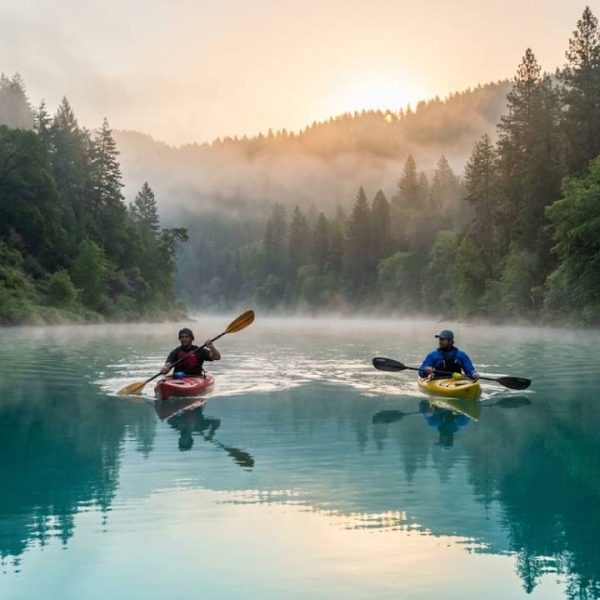
There is a special kind of calm that comes from sitting low in a boat with a paddle in your hands and a quiet river ahead. Paddling trips are becoming one of the most popular ways to travel slowly, meet nature and avoid the crowds. This guide is written for beginners who want to try a trip abroad. It covers choosing a destination, packing the right gear, learning the basics, staying safe and leaving the places you visit as beautiful as you found them.
Why paddling suits first time travelers
Paddling is one of the gentlest ways to see a new country. You move at walking pace, you hear the water and the birds, and you reach places that roads never touch. A calm river, a quiet lake or a sheltered coast needs no special fitness, only a willingness to try. Many first timers are surprised by how quickly they relax. After an hour on the water the worries of the journey fade, and what remains is the pleasure of simply being outdoors with good company.
Choosing a first destination
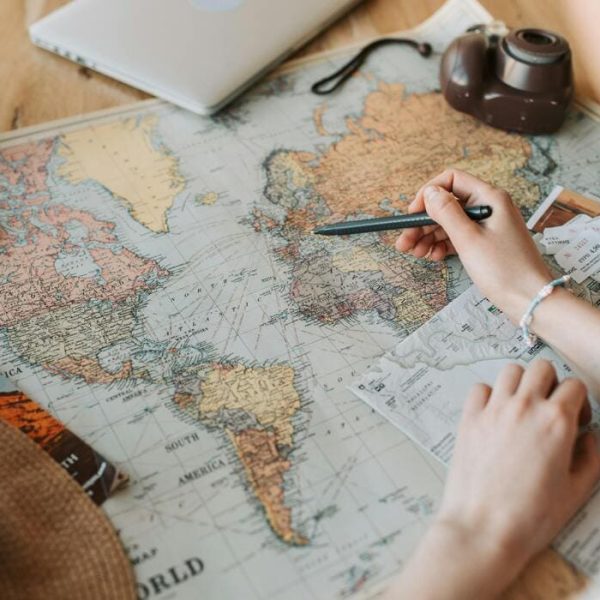
Pick a place with gentle currents, clear signs and plenty of rental options. Slow rivers in northern Europe, lakes in mountain regions and sheltered bays in warm countries all suit beginners. Check the season, because water levels, wind and temperature change quickly. Guidebooks and organizations such as American Whitewater explain how to read conditions and rate difficulty. If you plan to explore the canals and lakes of the Netherlands, it helps to have Dutch translation services for maps, rental contracts and safety notices written in the local language.
Gear that is worth carrying
You do not need much, but a few items matter. A well fitting life jacket is essential, and a dry bag protects your phone, passport and a spare layer. Wear quick drying clothing, bring sun protection and carry more water than you expect to drink. Water shoes protect your feet at landings. The most important piece of equipment on any paddling trip is a good life jacket that you actually wear. Most rental shops supply boats and paddles, and a short briefing from the staff is often the best safety lesson you can get.
Learning the basics before you go
A few simple skills build confidence quickly. Practice sitting upright, holding the paddle with both hands and turning the blade smoothly through the water. Learn how to steer, how to stop and what to do if the boat tips. Many clubs offer a free first lesson, and online videos can show the movements in minutes. Practice in a calm local pond if you can, because the first stroke at home is easier than the first stroke in a foreign river with an audience of curious ducks.
Staying safe on unfamiliar water
Check the weather before launching and again at lunch. Tell someone your route and expected return time. Avoid paddling alone, keep close to the shore on windy days and respect local warnings about dams, weirs and tides. Understanding instructions is vital, and research shows why people trust information in their own language, which applies strongly to safety rules. If a sign or briefing is unclear, ask a local guide to explain. Carry a whistle, a charged phone in a waterproof case and a small first aid kit.
Paddling trips abroad are mostly about preparation: checking rules for the water you plan to use, packing the right kit and knowing what to do if conditions change. Taking a dog on a holiday overseas calls for the same mindset long before you reach the river. Anyone considering flying with a dog should look at crate requirements, airline policies and health paperwork early, because the details differ by carrier and destination and are rarely flexible at the check-in desk.
Respecting nature and local communities
Paddlers are guests on the water. Take your trash with you, keep a distance from nesting birds and avoid trampling riverbanks when you land. Ask permission before crossing private land and follow local rules on camping and fires. Buy food and supplies from nearby shops to support the community. Learn a few friendly words in the local language, such as hello, thank you and please. Small gestures create goodwill, and communities that feel respected stay welcoming to the next group of travelers.
Bringing the journey home
Take photos, but spend most of the time simply watching. Keep a small log of the places you paddled, the wildlife you saw and the people who helped you. Share the story with friends and invite them on the next trip. Many paddlers start with a single weekend and end up planning their holidays around rivers and lakes. The skills you gain, from patience to reading the weather, also serve you well on every other kind of journey.
Planning a multi day trip
When you feel ready for more, try a trip that lasts two or three days. Choose a route with campsites or small inns at regular intervals, and plan modest distances of ten to fifteen kilometers per day. Pack light, since every extra kilo is felt in the arms. Book accommodation in advance during busy seasons and have a backup plan for bad weather. A shuttle service that carries your bags from stop to stop can turn a demanding trip into a relaxed holiday.
Traveling with family and friends
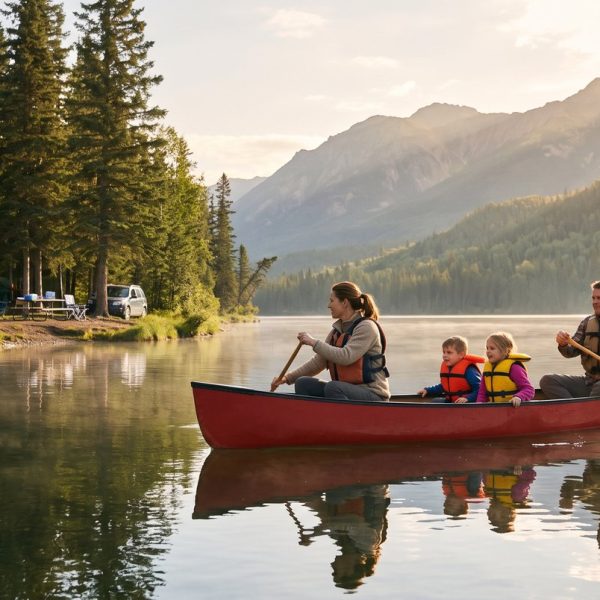
Paddling is a wonderful shared activity, as long as everyone moves at a comfortable pace. Choose shorter routes for children, assign simple roles such as navigator or photographer and take regular breaks with snacks on a sandy bank. Pair confident paddlers with beginners and agree on signals for stopping or asking for help. Shared challenges, from a headwind to a wrong turn, become the stories that groups laugh about for years afterward.