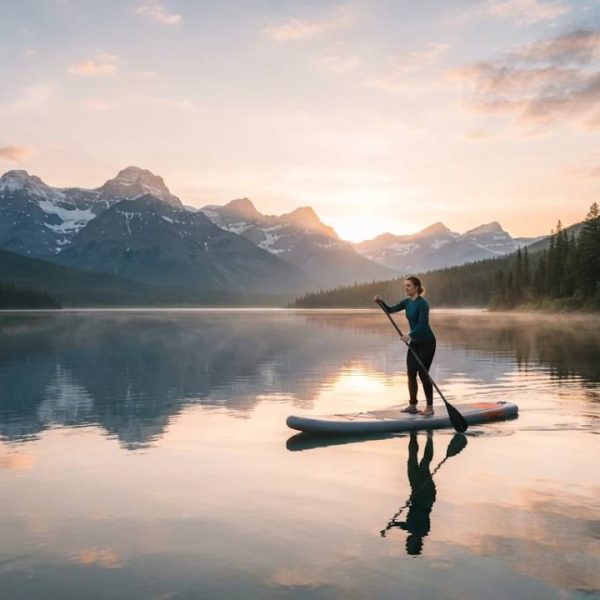
Stand-up paddleboarding looks effortless from the shore, and that is part of its appeal. A single board, a paddle and a stretch of calm water are enough to give you a full-body workout, a new view of familiar places and a quiet break from busy days. It is also one of the easiest water sports to learn, which is why beginners, families and experienced athletes all share the same lakes, rivers and coasts.
Why Paddleboarding Has Become So Popular
The sport combines exercise, nature and relaxation in a way few activities manage. You stand upright, which gives a wide view of the water, and you move at your own pace. Core muscles, legs, shoulders and back all work together, yet the effort feels gentle compared with many gym routines.
Inflatable boards have also changed the sport. They pack into a backpack, store in a cupboard and cost less than hard boards, so almost anyone can try paddleboarding without a garage or a roof rack.
Choosing Your First Board
Beginners should look for a wide, stable board of around ten to eleven feet. All-around boards handle lakes, rivers and gentle sea conditions. Check the weight limit, the thickness and the quality of the valve and handle on inflatable models.
Rent or borrow a board before you buy, because a few sessions show you what feels comfortable and which features you actually need. Many clubs and shops offer rentals and short lessons at a fair price.
Essential Gear and Clothing
You will need a paddle of the right length, a leash, a personal flotation device and appropriate clothing. Choose the paddle height by raising your arm above your head, which is roughly the right length. Wear quick-drying clothes, sun protection and, in cool water, a wetsuit.
Bring a dry bag for your phone and keys, plenty of water and sunscreen. A whistle and a light are required in some areas and are sensible everywhere.
Learning the Basics on the Water
Start on calm, flat water in the morning when wind is low. Kneel first to find your balance, then stand with feet parallel and hip-width apart, knees slightly bent and eyes on the horizon, not on your feet. Hold the paddle with one hand on top and one on the shaft.
Short, steady strokes keep you moving straight. Switch sides every few strokes and keep your back straight. If you fall, fall away from the board and climb back from the side.
Safety Rules Every Paddler Should Follow
Always wear a leash and a flotation device, check the weather and wind forecast, tell someone your route and avoid paddling alone in unfamiliar water. Stay away from boat traffic, weirs and strong currents.
The British Stand Up Paddle Association publishes guidance on safety, training and access that applies to paddlers everywhere. Take a lesson if you plan to paddle on tidal water or the open sea.
Finding Great Places to Paddle
Lakes and slow rivers suit beginners. Sheltered bays are good for coastal practice, and canals offer a chance to explore towns from the water. Check local rules, permits and parking before you go.
Join local groups, ask at rental shops and follow social accounts that share conditions. Locals know the best launch points and quiet spots.
Fitness and Health Benefits
Paddleboarding builds core strength, balance and endurance, with little stress on the joints. It also lifts mood, especially when done outdoors in the morning. Regular sessions improve posture and coordination.
Warm up before you start, stretch afterward and drink water. If you have health conditions, speak to a doctor before beginning.
Paddling With Family and Friends
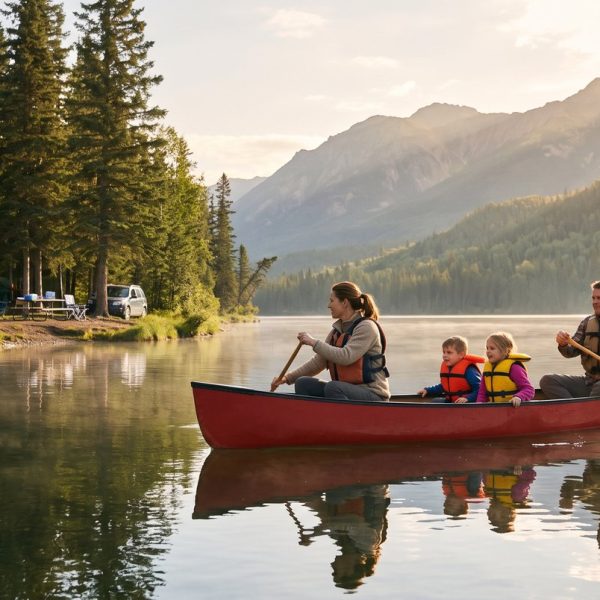
Many boards carry two people or a child and a dog. Choose a larger board, keep sessions short and bring snacks. Group paddles are social and encourage beginners.
Plan a loop or a route with an easy return so that tired paddlers are never too far from the shore.
Travelling and Paddling Abroad
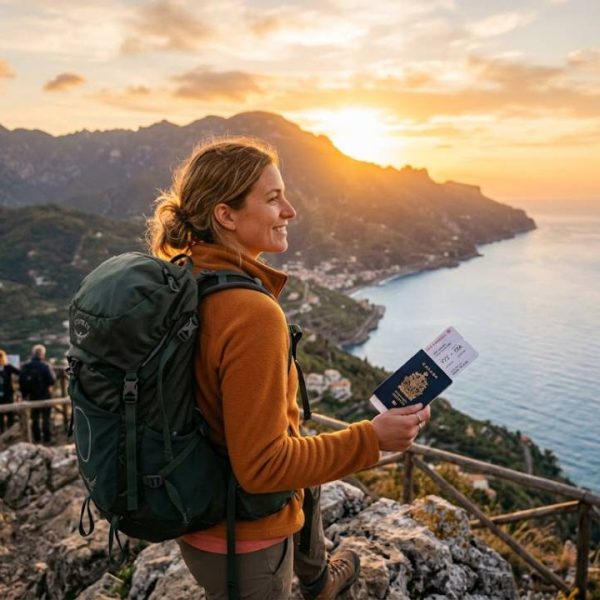
Many popular paddling destinations are in countries where English is not the first language, and local rules, safety signs and rental contracts may appear in unfamiliar words. Travelers heading to Bali or other Indonesian coasts often use english to indonesian translation services to prepare bookings and safety instructions in advance.
Tour operators and clubs that welcome guests from abroad also benefit from clear communication. Our guide on working with interpreters and translators explains when each professional is needed.
Caring for Your Equipment
Rinse boards and paddles with fresh water after sea use, dry them before storage and keep inflatables away from heat and sharp objects. Check valves, seams and fins regularly.
Store the board in a cool place and avoid leaving it in direct sun for long periods.
Respecting Nature and Other Water Users
Keep a respectful distance from wildlife, nesting birds and anglers. Take litter home and avoid launching in protected areas. Follow signs and local rules.
Good etiquette keeps access open for everyone.
Progressing Your Skills
Once you feel confident, try longer tours, gentle waves or yoga on the board. Lessons teach efficient strokes and turns. Races and events add motivation.
Set small goals, such as paddling a new route each month.
Common Beginner Mistakes
Typical errors include looking down, gripping the paddle too hard, standing with locked knees and ignoring wind. Another is choosing a board that is too small.
Relax, breathe and enjoy the process.
Final Thoughts
Paddleboarding is simple to start and rewarding to continue. Choose a stable board, learn the basics, respect safety rules and explore new waters.
Soon the shoreline will feel like an invitation.
Reading Wind, Waves and Currents
Wind is the biggest challenge for paddlers. A gentle breeze of five to ten knots is fine for beginners, but stronger gusts push you away from shore and make steering tiring. Always start your session into the wind so that the return trip is easier. Check tide tables on the coast and river levels after heavy rain.
If conditions change, kneel or sit and paddle back along the shoreline instead of fighting the weather. Experienced paddlers treat caution as a skill, not as a weakness.
Simple Exercises to Improve Balance
Practice standing on one leg on dry land, try squats and lunges and add core exercises such as planks. On the water, shift your weight slowly from foot to foot and practice turning the board with sweeping strokes. Short, regular sessions build confidence faster than occasional long outings.
Yoga on a board is a fun challenge once you feel steady, and it improves flexibility and focus.
Photography and Capturing the Experience
Waterproof pouches, floating phone cases and action cameras let you record your trips safely. Attach devices with leashes, wipe lenses before shooting and keep equipment in a dry bag between photos. Early morning light gives the best colors and calm water.
Respect other people privacy and avoid taking photos in crowded launch areas. Sometimes the best choice is to put the phone away and simply enjoy the view.
Joining Clubs, Events and Guided Tours
Local clubs and guided tours are a friendly way to learn new skills, explore safe routes and meet other paddlers. Many organize beginner sessions, evening paddles and charity events. Races and festivals add a social side to the sport.
Ask about insurance and safety standards when choosing a provider, and bring sunscreen and water to every session.